History of Woodlea Melrose
The Beginning of Woodlea

In 1928, Thomas Mackenzie purchased 47 acres of lettuce fields just north of downtown Phoenix for $20,000. He subdivided the property into 190 lots and named the subdivision “Woodlea” in reference to the many trees on the property.
Mackenzie partnered with the Lister Realty Company, which held a grand opening for the subdivision on March 17, 1929. Lots sold quickly and several homes were completed within the first year.
Woodlea offered several modern conveniences for the time, including paved streets, electricity, and proximity to a nearby church and school. Advertisements for the subdivision also proudly noted that residents would enjoy “no city taxes.”
The neighborhood also became known for its water. Woodlea’s well produced soft, high-quality water from a depth of 347 feet. Visitors touring the subdivision were invited to taste the water, and newspaper ads even encouraged people to “bring a canteen” so they could take Woodlea water home with them.
War Years and Post-War Growth
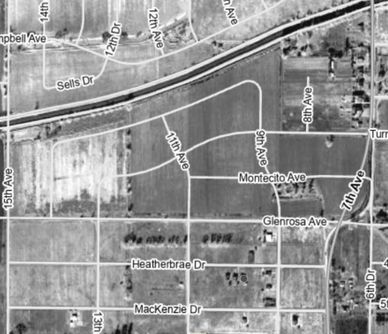
Some homes were built between 1929 and 1939, but construction slowed dramatically during World War II as building materials became scarce and development across Phoenix paused. Many lots in Woodlea remained vacant during the war years.
After the war ended, Phoenix experienced a housing boom. The Melrose area in particular grew rapidly as returning veterans and new families looked for homes close to the city.
Some property owners hired independent builders to construct homes on individual lots, while a few contractors purchased several lots at once for development. One of these builders, Andy Womack would become an important figure in the development of the neighborhood.
The Creation of Melrose Manor
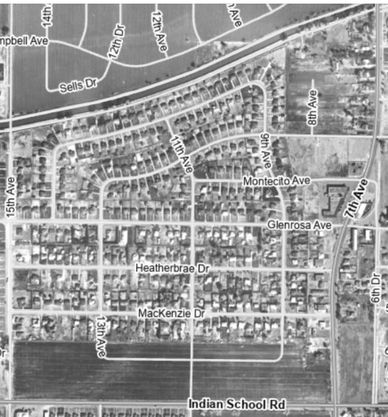
In 1947, Womack Construction Company broke ground on a new 174-home subdivision adjacent to Woodlea called Melrose Manor. These homes typically featured two to three bedrooms, garages, and easy access to shopping and public transportation.
During this same period, businesses along 7th Avenue began to develop, forming the commercial corridor that would later become the Melrose District.
One of the most notable projects was the Melrose Shopping Center, built in 1948 and also developed by Womack. Its anchor store, A.J. Bayless Markets, advertised “the very latest scientific development in open air refrigeration.”
By 1955, Melrose Manor was fully built out and Woodlea was nearly complete as well. Only a handful of homes were built in the years that followed.
Becoming Woodlea Melrose
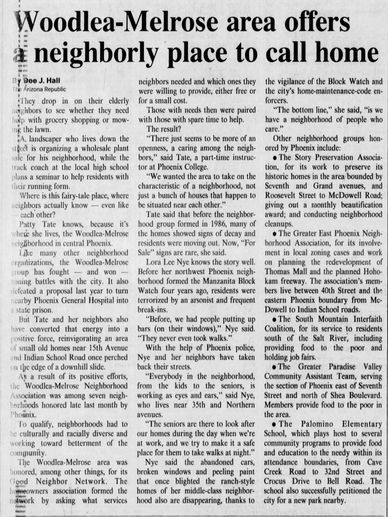
In the late 1980s, residents of the two neighboring subdivisions chose to join together. With the approval of the City of Phoenix, Woodlea and Melrose Manor officially became known as Woodlea Melrose in 1988.
Historic Recognition
In June 2011, the Woodlea subdivision received designation as a City of Phoenix Historic District, along with eleven other neighborhoods recognized for their architectural and historical significance.
Woodlea Melrose Today
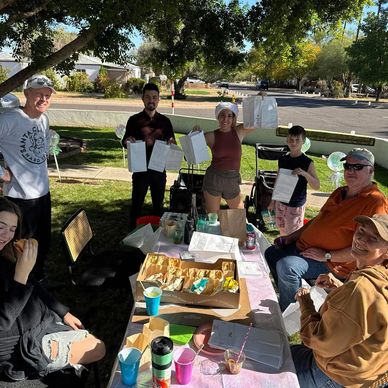
Woodlea Melrose sits at the heart of one of Phoenix’s most vibrant and distinctive corridors. The Melrose District along 7th Avenue has become a destination for independent restaurants, vintage shops, and locally owned businesses.
Residents are closely connected to the life of the district. Events like the Melrose Street Fair, Merriment in Melrose, and the popular Mrs. Roper Bar Crawl bring thousands of people to the area each year and have become part of the neighborhood’s culture.
Within walking distance of Woodlea Melrose are coffee shops, restaurants, and gathering places that serve as everyday meeting spots for neighbors. The district has also become widely known as one of Phoenix’s most welcoming and inclusive communities, often referred to locally as part of the city’s “gayborhood.”
Woodlea Melrose remains one of Phoenix’s most distinctive historic neighborhoods, where cottage homes, mature trees, and an active community reflect the area’s long history and strong sense of place.